24x7 Emergency & Trauma Care | Advanced Heart Care & Super Specialty Services | 20+ Departments | 50+ Experienced Doctors | 200+ Beds Facility | On-Time Ambulance Service | Your Health is Our Priority.

24x7 Emergency & Trauma Care | Advanced Heart Care & Super Specialty Services | 20+ Departments | 50+ Experienced Doctors | 200+ Beds Facility | On-Time Ambulance Service | Your Health is Our Priority.

Sleep Disorders

Home / Sleep Disorders

Best Sleep Disorders Hospital in Jaipur

Welcome to Priyanka Hospital, We have a dedicated department in Priyanka Hospital for diagnosing and treating different types of sleep disorders in order to provide sleep that is restorative to the body and mind. We provide a full spectrum of services for the patients with sleep disorders since our hospital is the top-rated sleep disorders hospital in Jaipur.

Priyanka Hospital has a professional and highly skilled team of sleep specialists who have huge experience in the diagnosis and treatment of all types of sleep disorders such as insomnia, sleep apnea, narcolepsy, restless legs syndrome, and parasomnias. The specialists in our team are committed to the enhancement of patient’s sleep quality and their general health by developing an individualized approach and effective management plan.

Our team of sleep specialists develops personalized treatment plans tailored to each patient’s specific sleep disorder, medical history, and lifestyle factors. Treatment options may include lifestyle modifications, behavioral therapy, CPAP therapy, oral appliances, medications, and surgical interventions, depending on the underlying cause of the sleep disorder.
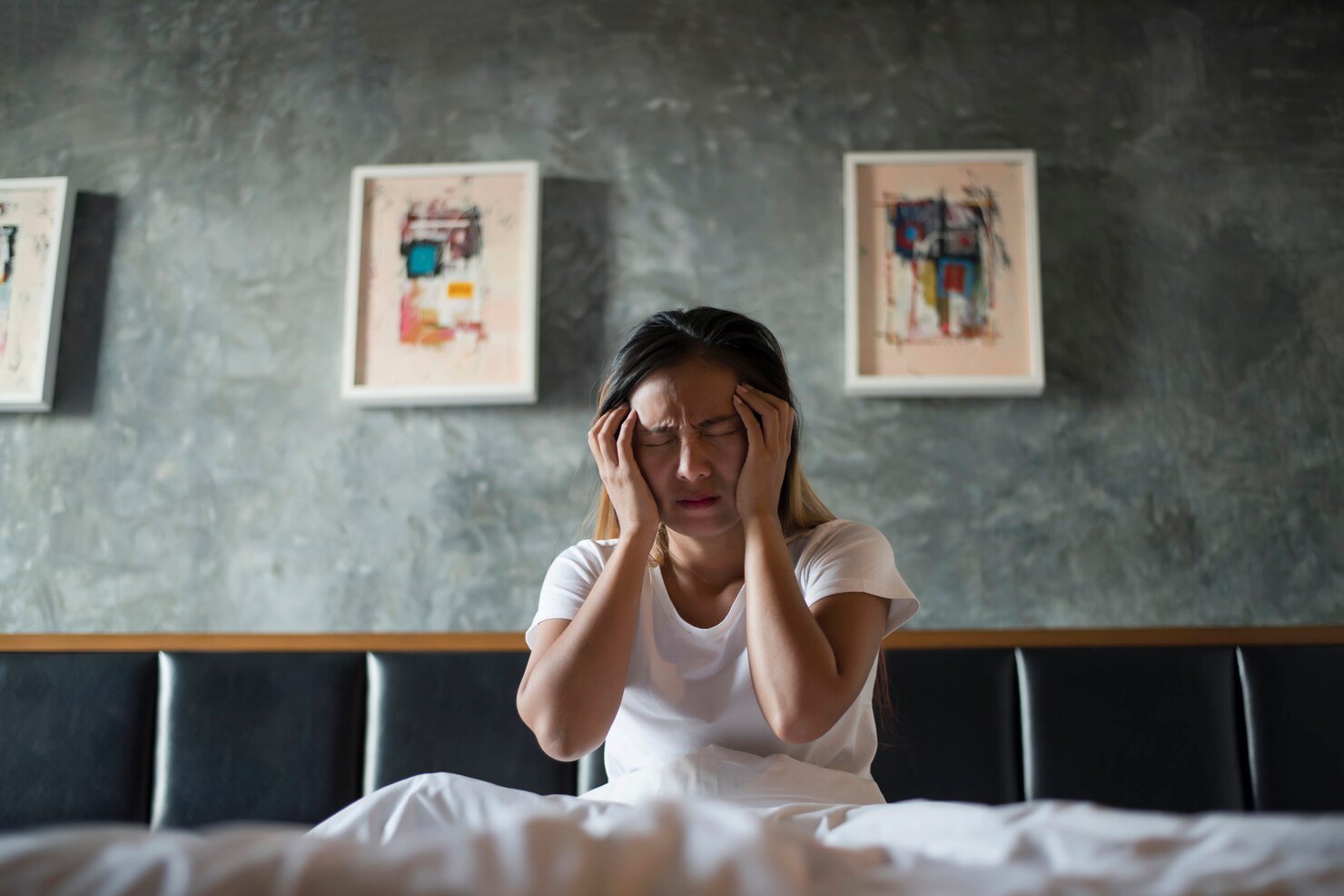
Best Sleep Disorders Hospital in Jaipur

Why Choose Priyanka Hospital

For Sleep Disorders in Jaipur

As the best sleep disorder hospital in Jaipur, Priyanka Hospital offers comprehensive sleep studies, including polysomnography (PSG) and home sleep apnea testing (HSAT), to accurately diagnose sleep disorders and evaluate patients’ sleep patterns and breathing during sleep. We utilize advanced diagnostic tools and technology to ensure precise diagnosis and effective treatment planning. When it comes to sleep disorders in Jaipur, Priyanka Hospital is the most recommended hospital to many patients especially those who are in need of competent diagnostic services, quality treatment and most importantly quality care. We have professional sleep specialists, total sleep solutions, and modern sleep disorder hospitals that make us the best in city.

Types of Sleep Disorders

There are several types of sleep disorders that can significantly impact an individual’s ability to get restful and rejuvenating sleep. Some common types of sleep disorders include:

  • Insomnia: Insomnia is a sleep disorder which manifests itself in the difficulty of falling asleep, the difficulty of staying asleep or waking up in the middle of the night and being unable to fall back asleep. It can be either a sudden or long-lasting problem and may be influenced by stress, anxiety, depression, disease, certain prescribed medications, or other aspects of daily life.
  • Sleep Apnea: Sleep apnea is a sleep disorder characterized by pauses in breathing or shallow breathing during sleep. The two main types of sleep apnea are obstructive sleep apnea (OSA), caused by a blockage in the airway, and central sleep apnea (CSA), caused by a problem with the brain’s signals to the muscles that control breathing.
  • Narcolepsy: Narcolepsy is a chronic neurological disorder characterized by excessive daytime sleepiness, sudden and uncontrollable episodes of falling asleep (narcoleptic episodes), sleep paralysis, hallucinations, and disrupted nighttime sleep. It is caused by a deficiency of hypocretin, a neurotransmitter that regulates wakefulness and REM sleep.
  • Restless Legs Syndrome (RLS): Restless legs syndrome is a neurological disorder characterized by uncomfortable sensations in the legs, often described as crawling, tingling, or itching sensations, accompanied by an irresistible urge to move the legs. Symptoms typically worsen at night and can interfere with falling asleep or staying asleep.
  • Periodic Limb Movement Disorder (PLMD): Periodic limb movement disorder is a sleep disorder characterized by repetitive movements of the legs (or, less commonly, the arms) during sleep, often involving flexing or extending the limbs. These movements can disrupt sleep and lead to daytime fatigue and sleepiness.
  • Circadian rhythm sleep-wake disorders Circadian rhythm sleep-wake disorders involve disruptions in the body’s internal clock, leading to difficulties with sleep timing and quality. Examples include delayed sleep phase disorder (DSPD), advanced sleep phase disorder (ASPD), irregular sleep-wake rhythm disorder, and shift work sleep disorder.
  • Parasomnias: Sleep disorders are classified as parasomnias if they take place during sleep or at the time of transition between the stages of sleep. Some of these include somnambulism, somniloquy, night terrors, REM sleep behavior disorder, and sleep related eating disorder.
  • Sleep-Related movement Disorders: Sleep related movement disorder is characterized by movements that occur at night, which affects the quality of sleep and thus causes daytime sleepiness. This may involve bruxism, which is the teeth grinding, rhythmic movement disorder, and sleep related leg cramps.

Here are some of these common types of sleep disorders and some of the characteristics, causes, and management of each one. In case you or anyone close to you feel that you may be having a sleep disorder it is wise to seek medical advice from a doctor.

Symptoms and causes of Sleep Disorder

Sleep disorders can manifest with a variety of symptoms and have diverse underlying causes. Here are some common symptoms and causes associated with sleep disorders:

Symptoms of sleep disorders:
  • Difficulty falling asleep (insomnia)
  • Difficulty staying asleep (middle-of-the-night awakenings)
  • Waking up too early and being unable to go back to sleep
  • Excessive daytime sleepiness or fatigue
  • Frequent or loud snoring
  • Pauses in breathing during sleep (sleep apnea)
  • Gasping or choking sensations during sleep (sleep apnea)
  • Restless legs or uncomfortable sensations in the legs
  • Jerking or kicking movements during sleep (periodic limb movements)
  • Nightmares or vivid dreams
  • Sleepwalking or other unusual behaviors during sleep
  • Waking up feeling unrefreshed or unrested
Causes of sleep disorders:
  1. Stress and Anxiety: Psychological factors such as stress, anxiety, depression, or traumatic experiences can contribute to insomnia, sleep disturbances, and other sleep disorders.
  2. Poor Sleep Hygiene: Unhealthy sleep habits and lifestyle factors, such as irregular sleep schedules, excessive caffeine or alcohol consumption, and using electronic devices before bedtime, can disrupt sleep and contribute to sleep disorders.
  3. Medical Conditions: Underlying medical conditions such as obstructive sleep apnea, restless legs syndrome, periodic limb movement disorder, narcolepsy, insomnia disorder, circadian rhythm sleep-wake disorders, and certain neurological or psychiatric disorders can cause sleep disturbances.
  4. Medications: Certain medications, such as antidepressants, antipsychotics, stimulants, beta-blockers, decongestants, corticosteroids, and medications that affect the central nervous system, can interfere with sleep patterns and contribute to sleep disorders.
  5. Substance Abuse: Substance abuse, including alcohol, nicotine, caffeine, and recreational drugs, can disrupt sleep-wake cycles, interfere with sleep quality, and contribute to sleep disorders.
  6. Hormonal Changes : Hormonal changes associated with pregnancy, menopause, menstruation, thyroid disorders, and other endocrine disorders can affect sleep patterns and contribute to sleep disturbances.
  7. Aging: As individuals age, changes in sleep architecture, hormone levels, and health conditions can lead to sleep disturbances, including insomnia, sleep apnea, and restless legs syndrome.
  8. Environmental Factors: Environmental factors such as noise, light exposure, temperature fluctuations, and disruptions to the sleep environment (e.g., shift work, jet lag) can disrupt sleep and contribute to sleep disorders.

It’s important to note that sleep disorders can have complex and multifactorial causes, and individual experiences may vary. If you suspect that you or someone you know may have a sleep disorder, it’s essential to consult with a healthcare professional for proper evaluation, diagnosis, and treatment

FAQs on Emergency Medicine

Emergency Medicine is a medical specialty focused on the immediate evaluation, diagnosis, and treatment of acute and life-threatening medical conditions and injuries. Emergency departments (EDs) provide a wide range of services, including rapid assessment and stabilization of patients with medical emergencies, trauma care, resuscitation, diagnostic testing (such as imaging studies and laboratory tests), pain management, and coordination of follow-up care.

The Emergency Department treats a broad spectrum of medical conditions and injuries, including chest pain and heart attacks, stroke, respiratory distress, severe infections, traumatic injuries (such as fractures, lacerations, and head injuries), allergic reactions, acute abdominal pain, psychiatric emergencies, obstetric emergencies, pediatric emergencies, and other acute medical problems requiring urgent attention.

You should go to the Emergency Department if you or someone else experiences a medical emergency that requires immediate attention, such as chest pain, difficulty breathing, sudden weakness or numbness, loss of consciousness, severe bleeding, signs of stroke (such as slurred speech or facial drooping), severe allergic reactions, major trauma or injuries, severe abdominal pain, high fever with confusion or lethargy, or any other condition that you believe requires urgent medical evaluation and treatment.

Upon arrival at the Emergency Department, you will be triaged by a nurse or medical professional to assess the urgency of your condition. Patients with life-threatening emergencies are prioritized for immediate evaluation and treatment. Once assessed, you may undergo diagnostic tests such as blood tests, imaging studies (such as X-rays or CT scans), and other procedures as needed. Treatment will be provided based on the diagnosis and severity of your condition, and you may be admitted to the hospital for further observation or treatment, discharged home with follow-up instructions, or referred to a specialist for ongoing care.

When going to the Emergency Department, it’s helpful to bring any relevant medical records or documents, a list of current medications (including dosage and frequency), information about any allergies or medical conditions, your health insurance information, a form of identification, and any necessary personal items (such as a change of clothes, toiletries, and a phone charger). If possible, bring a trusted family member or friend to provide support and assist with communication.
Still Have a Question?

If you cannot find answers to your queries, please fill out the enquiry form or call the number below. We will contact you shortly

Whatsapp